



Accelerating Custom Manufacturing with 3D Printed Moulds
For manufacturers working with specialised or low-volume components, traditional tooling can often slow innovation. Long lead times and high costs make it difficult to respond quickly to custom requirements.
This was the challenge faced by T.D. Williamson, a global leader in pipeline solutions.
Accelerating Custom Manufacturing
with 3D Printed Moulds
For manufacturers working with specialised or low-volume components, traditional tooling can often slow innovation. Long lead times and high costs make it difficult to respond quickly to custom requirements.
This was the challenge faced by T.D. Williamson, a global leader in pipeline solutions.
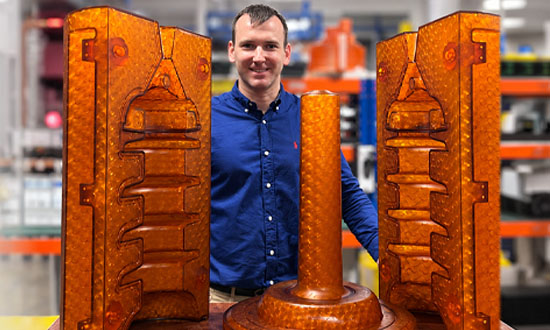
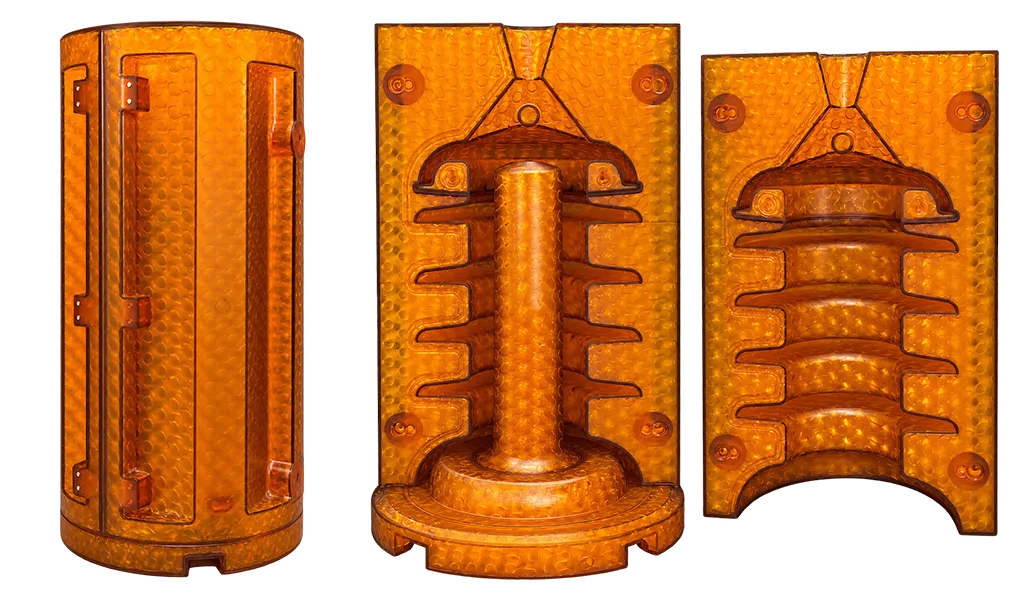
Costly, slow aluminium tooling for one-off parts
T.D. Williamson regularly produces customised assemblies, many of which require unique moulded components.
These moulds would traditionally have been machined from aluminium, a process which is both costly and time-intensive, creating a bottleneck for businesses handling one-off or specialised orders.
These moulds are preheated, filled with urethane, then heated again before demoulding and final cure. Each mould holds up to 23 kg of urethane.
10x
Rough reduction in mould cost
Since adopting the LC Titan
8x
Reduction in lead time
Since adopting the LC Titan
Faster, more affordable moulds with LC Titan
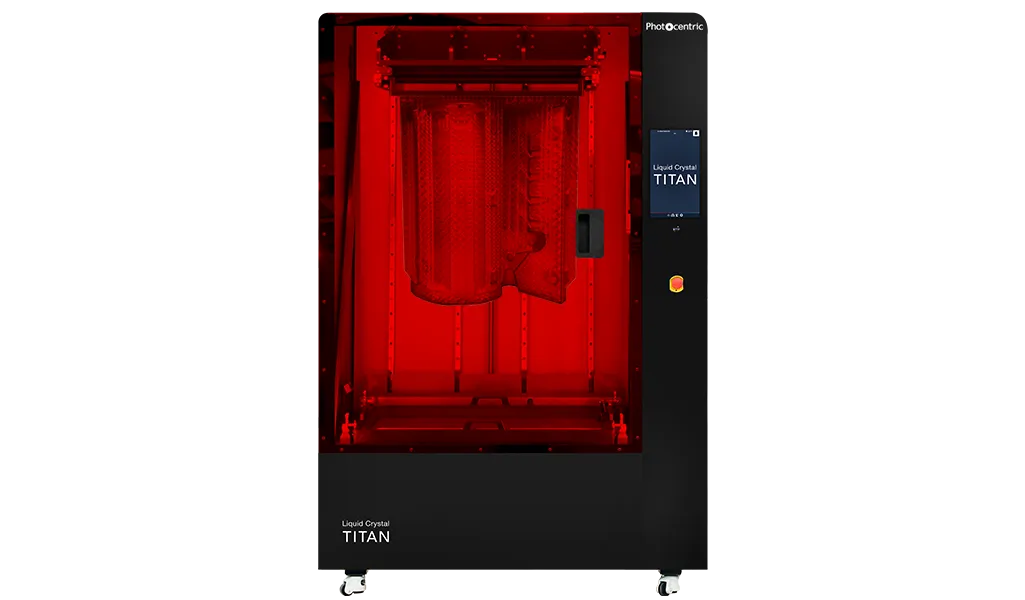
By adopting resin 3D printing with the LC Titan and Photocentric High Temp DL401 resin, T.D. Williamson can now produce moulds faster, more affordably, and with greater flexibility.
This shift enables their engineering team to rapidly create moulds for one-off jobs or custom components as well as reduce the lead time on iterations to solve design challenges faster.
In addition to performance, surface quality has been a major benefit. While T.D. Williamson also uses FDM printing, the LC Titan provides a significantly smoother finish. Combined with the High Temp DL401 3D resin, the LC Titan delivers high-quality surface detail, resulting in cleaner moulds and improved finish on the final parts.
In Their Words
David Freeman, Senior Manufacturing Engineer at T.D. Williamson
COST AND LEAD TIME
“We have seen a reduction in cost of roughly 10x and a reduction in lead time of around 8x since utilising Photocentric’s LC Titan”
SURFACE FINISH
“We also currently use FDM printers but like the smoother surface finish that the LC Titan can produce.”
A more agile, responsive way to manufacture
By integrating resin 3D printing with LC Titan into their workflow, T.D. Williamson has moved beyond simply reducing tooling costs and lead times. LC Titan has enabled a more agile and responsive manufacturing approach.
What was once a lengthy and expensive process is now streamlined and adaptable. Engineers can move from design to production in a fraction of the time, making it viable to produce one-off or highly customised components without compromise.
Crucially, this approach is not limited to a single application. For durable polyurethane components such as pipeline “pigs”, where performance and reliability are essential, 3D printed moulds have proven to be a practical and scalable solution.
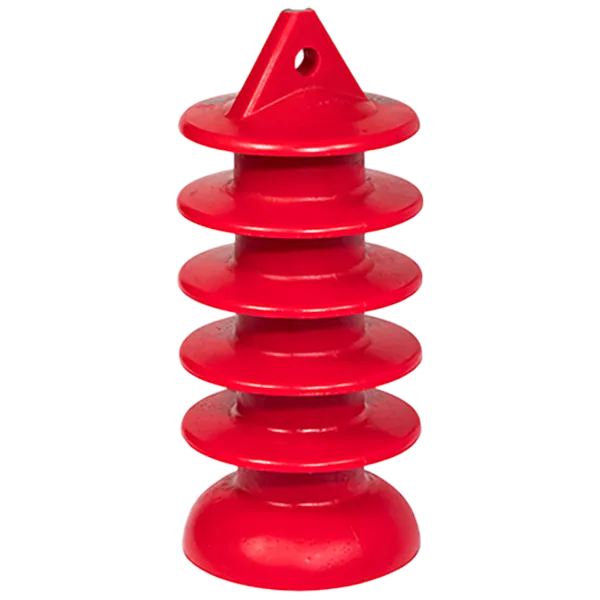
Final part, cast in the 3D printed mould
LC Titan
Large-format | Tooling & production
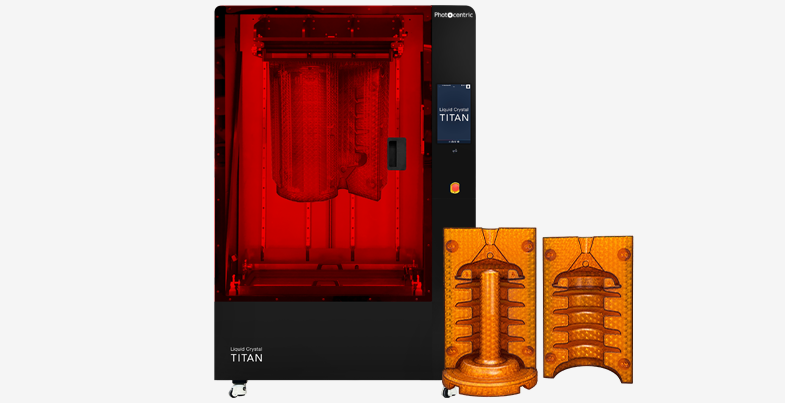
The printer behind T.D. Williamson’s moulds. A large build area and fine surface detail let their engineers print one-off and custom moulds in-house, without waiting on machined aluminium tooling.
High Temp DL401 3D Resin
High-temperature resin | Moulds & tooling
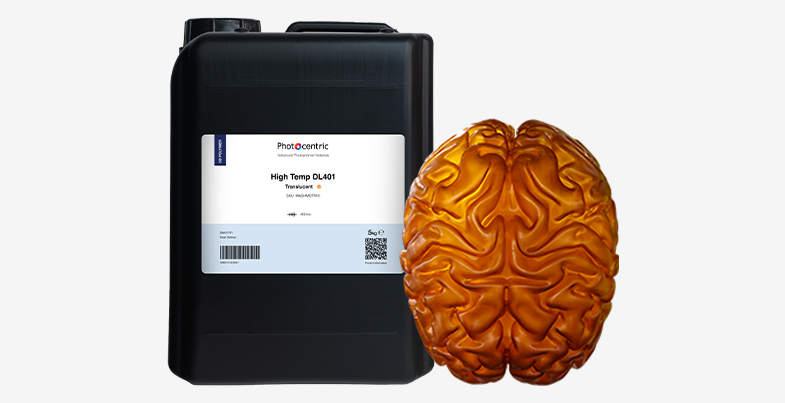
The material in T.D. Williamson’s moulds. Built for tooling, it gives the smooth surface finish that carries through to cleaner moulds and better final parts.